Understanding FTZ Warehousing and Its Importance for Companies
In the world of logistics and supply chain management, the concept of Foreign-Trade Zone (FTZ) warehousing has gained significant attention in recent years. FTZ warehousing offers companies various benefits and opportunities to streamline their operations, reduce costs, and enhance their competitiveness in the global market. This blog aims to delve into the details of FTZ warehousing and explore why companies, both large and small, can benefit from utilizing this strategic approach.
What is FTZ Warehousing?
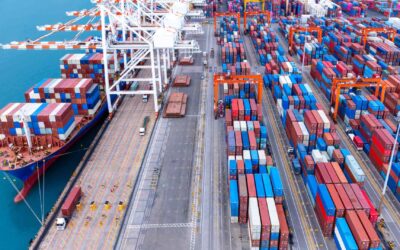
A Foreign-Trade Zone (FTZ) is a designated area within a country where goods can be stored, handled, or processed without being subject to customs duties or certain import regulations. Companies can bring in goods from foreign countries into an FTZ for storage, assembly, manufacturing, or re-export without paying customs duties until the products leave the zone and enter the domestic market. FTZs are considered to be outside of the customs territory of the host country, which allows for flexibility in managing imports and exports.
FTZ warehousing, therefore, refers to the storage and handling of goods within these designated zones. Companies can benefit from FTZ warehousing by taking advantage of various cost-saving opportunities, operational efficiencies, and regulatory benefits that these zones offer. By leveraging FTZ warehousing, businesses can optimize their supply chain processes, reduce overhead costs, and improve their overall competitiveness in the market.
Why Do Companies Need FTZ Warehousing?
1. Cost Savings
One of the primary reasons companies opt for FTZ warehousing is the potential for cost savings. By storing goods in an FTZ, companies can defer paying customs duties until the products leave the zone. This can result in significant cash flow advantages as companies can use the funds that would have been tied up in duties for other business operations. Additionally, by avoiding customs duties on re-exports or products that are never actually imported into the domestic market, companies can save on unnecessary expenses.
2. Operational Efficiencies
FTZ warehousing can also help companies improve their operational efficiencies. By centralizing their storage and distribution activities in an FTZ, companies can streamline their supply chain processes, reduce lead times, and enhance inventory management. This centralized approach can lead to faster order fulfillment, reduced transportation costs, and better control over inventory levels. Moreover, companies can benefit from value-added services within the FTZ, such as labeling, packaging, or assembly, which can further optimize their operations.
3. Regulatory Benefits
Utilizing FTZ warehousing also provides companies with regulatory benefits that can simplify their international trade activities. Goods stored in an FTZ are considered to be outside of the customs territory, which means they are not subject to certain import regulations or restrictions. This can be particularly advantageous for companies dealing with complex international trade regulations or restricted goods. Additionally, companies operating in FTZs have access to streamlined customs procedures, expedited approvals, and enhanced security measures that can facilitate their import and export processes.
4. Enhanced Competitiveness
Overall, FTZ warehousing can help companies enhance their competitiveness in the global market. By reducing costs, improving operational efficiencies, and simplifying regulatory compliance, companies can position themselves as more agile and efficient players in their respective industries. This competitive edge can be crucial in today’s fast-paced and dynamic business environment where companies are constantly striving to differentiate themselves and meet evolving customer demands.
Companies That Need FTZ Warehousing
While FTZ warehousing can benefit a wide range of companies across various industries, some businesses are particularly well-suited to leverage the advantages of these designated zones:
1. Importers and Exporters
Companies involved in importing raw materials or finished goods from foreign countries can benefit significantly from FTZ warehousing. By deferring customs duties until the products are sold domestically or re-exported, importers and exporters can optimize their cash flow and reduce unnecessary expenses associated with customs duties.
2. Manufacturers
Manufacturing companies that rely on imported components or materials for production can use FTZ warehousing to streamline their supply chain operations. By storing raw materials or semi-finished products in an FTZ, manufacturers can avoid paying duties until the final products are assembled or manufactured. This approach can help manufacturers reduce costs, improve production efficiency, and remain competitive in the market.
3. Distributors and Wholesalers
Distributors and wholesalers that handle large volumes of imported goods can benefit from FTZ warehousing by optimizing their inventory management and distribution processes. By centralizing their storage and distribution activities in an FTZ, distributors and wholesalers can reduce lead times, minimize transportation costs, and enhance order fulfillment capabilities. This streamlined approach can result in improved customer satisfaction and increased operational efficiency.
4. E-commerce Companies
E-commerce companies that source products from overseas suppliers or fulfill international orders can also leverage FTZ warehousing to enhance their operations. By storing inventory in an FTZ near key distribution hubs, e-commerce companies can expedite order processing, reduce shipping costs, and improve delivery times for customers. This strategic approach can help e-commerce businesses scale their operations, expand their reach into global markets, and stay competitive in the rapidly evolving e-commerce landscape.
In conclusion, FTZ warehousing presents a valuable opportunity for companies to optimize their supply chain operations, reduce costs, and enhance their competitiveness in the global market. By leveraging the benefits of FTZs, companies can streamline their import and export processes, improve operational efficiencies, and navigate complex international trade regulations more effectively. Whether they are importers, manufacturers, distributors, or e-commerce businesses, companies across various industries can benefit from incorporating FTZ warehousing into their strategic logistics planning to drive growth and success in today’s interconnected world of commerce.