Introduction
In the ever-evolving global economy, businesses involved in international trade face numerous challenges, from high tariffs to complex customs procedures. One strategy that can help companies navigate these obstacles efficiently is the utilization of Foreign Trade Zones (FTZs). FTZs offer significant advantages to importers and exporters by providing cost savings, streamlined logistics, and operational efficiencies. This blog post will delve into what FTZs are, their benefits, and how businesses can leverage them to enhance their competitive edge in international trade.
What is a Foreign Trade Zone (FTZ)?
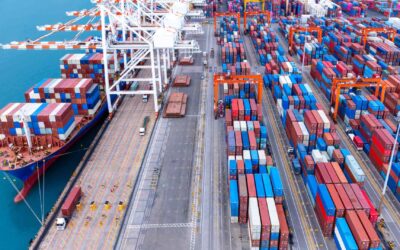
A Foreign Trade Zone (FTZ) is a designated geographic area within a country where imported goods can be stored, processed, or manufactured without being subject to customs duties and import regulations until they enter the domestic market. FTZs are often located near major ports, airports, or industrial hubs to facilitate international trade.
The concept of FTZs is designed to encourage economic activity and trade by allowing businesses to defer, reduce, or even eliminate certain customs duties and fees. In the United States, FTZs are regulated by the Foreign Trade Zones Board, which operates under the U.S. Department of Commerce and U.S. Customs and Border Protection (CBP).
Benefits of Foreign Trade Zones for Importers and Exporters
1. Duty Deferral and Reduction
One of the most significant benefits of FTZs is the ability to defer customs duties until goods leave the zone for domestic consumption. This provides businesses with cash flow advantages, as they do not have to pay duties upfront upon importation. Additionally, if goods are re-exported from the FTZ without entering the domestic market, no duties are required, further reducing costs.
2. Elimination of Duties on Re-Exports
Companies that import raw materials or components and subsequently re-export finished goods can benefit from FTZs by eliminating duties altogether. This is particularly advantageous for businesses engaged in global supply chains, as they can source materials at a lower cost and improve overall profitability.
3. Reduction of Import Processing Fees
FTZs can help businesses reduce Merchandise Processing Fees (MPFs), which are assessed on imported goods. By consolidating multiple shipments into a single customs entry, companies can significantly lower the cost of import processing, leading to substantial savings.
4. Exemption from State and Local Ad Valorem Taxes
In many cases, imported goods stored within an FTZ are not subject to state and local ad valorem taxes until they leave the zone and enter the domestic market. This provides an additional financial incentive for businesses to store and process goods within FTZs.
5. Enhanced Supply Chain Efficiency
FTZs offer logistical advantages by allowing businesses to store, sort, assemble, and manufacture goods within the zone before they reach their final destination. This flexibility enables companies to better manage inventory, reduce storage costs, and optimize supply chain operations.
6. Inverted Tariff Benefits
Certain industries can benefit from inverted tariffs when utilizing an FTZ. If the duty rate on a finished product is lower than the duty rate on imported raw materials or components, businesses can manufacture within the FTZ and pay the lower duty rate upon entry into the domestic market.
7. Security and Compliance Advantages
FTZs operate under strict customs security regulations, ensuring that goods within the zone are well-protected against theft and fraud. Additionally, businesses operating within FTZs often benefit from simplified customs procedures and reduced administrative burdens, helping them stay compliant with trade regulations.
How Businesses Can Leverage Foreign Trade Zones
1. Understanding Eligibility Requirements
Before utilizing an FTZ, businesses must determine their eligibility and comply with the necessary regulations. In the U.S., companies must apply for FTZ designation and adhere to CBP’s compliance requirements.
2. Selecting the Right FTZ Location
Choosing an FTZ location that aligns with business needs is crucial. Companies should consider factors such as proximity to transportation hubs, availability of warehouse facilities, and state or local tax incentives.
3. Developing a Customs Compliance Strategy
Operating within an FTZ requires adherence to customs regulations and reporting requirements. Businesses should establish a robust compliance strategy, including proper record-keeping, inventory tracking, and employee training to ensure smooth operations.
4. Maximizing Cost Savings and Efficiency
To fully benefit from FTZs, companies should evaluate how they can leverage duty deferral, inverted tariffs, and logistical efficiencies. Working with trade experts or consultants can help businesses identify areas where they can optimize operations and maximize savings.
Conclusion
Foreign Trade Zones provide importers and exporters with numerous financial and operational benefits, making them an essential tool for businesses engaged in international trade. By leveraging FTZs, companies can reduce costs, enhance supply chain efficiency, and improve global competitiveness. As international trade continues to evolve, utilizing FTZs strategically can position businesses for long-term success in the global marketplace.