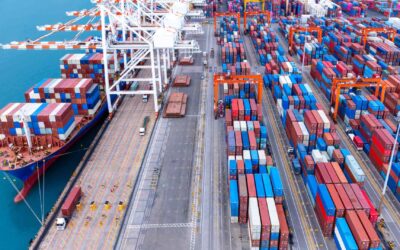
In the interconnected world of international trade, tariffs are powerful tools that can significantly influence economic relationships between countries. When a tariff is imposed, it affects the pricing, competitiveness, and overall flow of goods across borders. In this blog post, we will delve into the potential impact of a 25% tariff on exports between the United States and Mexico, examining how such a measure might affect industries, businesses, and consumers in both nations.
Understanding Tariffs and Their Economic Impact
A tariff is essentially a tax imposed by a government on imported or exported goods. It serves multiple purposes, such as protecting domestic industries, generating revenue, and sometimes as a tool for political leverage. However, tariffs can also lead to increased costs for businesses and consumers, disrupt supply chains, and strain international relations.
A 25% tariff would mean that every product crossing the U.S.-Mexico border would incur an additional 25% cost either in its price or through taxation. This change can lead to several economic consequences:
-
- Increased Costs for Businesses: Companies that rely on cross-border trade would face higher costs for imported raw materials or finished products. This could lead to higher production costs and reduced profit margins.
- Higher Prices for Consumers: The increase in production costs is often passed down to consumers. As a result, the price of goods such as automobiles, electronics, food products, and many other commodities could rise significantly.
- Impact on Supply Chains: Mexico and the United States have deeply integrated supply chains, especially in industries like automotive and electronics. A tariff could disrupt these supply chains, leading to delays and inefficiencies.
- Shift in Trade Dynamics: A significant tariff may encourage businesses to seek alternative trade partners or suppliers to avoid the increased costs associated with U.S.-Mexico trade. This shift could alter existing trade dynamics and relationships.
Industry-Specific Effects
Let’s explore how specific industries might be affected by a 25% tariff on exports between the United States and Mexico:
Automotive Industry
The automotive industry is one of the most significant sectors affected by U.S.-Mexico trade. Many American car manufacturers have production facilities in Mexico due to lower labor costs and proximity to the U.S. market. A 25% tariff could lead to:
- Increased Vehicle Prices: Higher tariffs would raise the cost of vehicles manufactured in Mexico and exported to the United States. This cost increase might be transferred to consumers, making cars more expensive.
- Supply Chain Disruptions: Automotive manufacturing relies heavily on just-in-time inventory systems. Tariffs could disrupt the flow of components across borders, leading to production delays.
- Relocation of Facilities: Some manufacturers might consider relocating production facilities to avoid tariffs, which could have long-term implications for employment and investment in both countries.
Agricultural Sector
Agricultural products constitute a significant portion of trade between the United States and Mexico. A 25% tariff could have the following effects:
- Price Increases for Produce: Many fruits and vegetables consumed in the U.S. are imported from Mexico. Tariffs could cause price hikes in grocery stores, affecting consumer purchasing power.
- Strain on Mexican Farmers: Mexican farmers relying on exports to the U.S. market might face decreased demand due to higher prices, impacting their livelihoods.
- Trade Diversification: Both U.S. and Mexican agricultural producers might look for alternative markets to mitigate the impact of tariffs.
Electronics Industry
The electronics industry is another sector significantly impacted by U.S.-Mexico trade:
- Higher Costs for Electronics: Components used in electronic devices often cross borders multiple times during manufacturing. Tariffs could increase costs at each stage of production.
- Innovation and Investment: The added costs could reduce funds available for research and development, potentially slowing down innovation in this fast-paced industry.
Economic Implications
The broader economic implications of a 25% tariff between the United States and Mexico are far-reaching:
- Trade Deficit Concerns: While tariffs aim to reduce trade deficits by making imports more expensive, they can also lead to retaliatory measures from trade partners. Mexico might impose its own tariffs on American goods, further escalating trade tensions.
- Impact on GDP: Both countries could experience a slowdown in economic growth due to reduced trade volumes. Export-oriented industries might suffer, leading to potential job losses.
- Inflationary Pressures: Increased costs for goods can contribute to inflationary pressures within both economies, affecting interest rates and monetary policy decisions.
Political and Diplomatic Ramifications
Beyond economic factors, a 25% tariff could have significant political and diplomatic ramifications:
- Strained Bilateral Relations: The imposition of tariffs can strain diplomatic relations between countries. Historically strong partnerships might face challenges as both sides navigate the complexities of trade negotiations.
- Negotiation Leverage: Tariffs can be used as leverage in trade negotiations to address other issues such as labor standards, environmental policies, or intellectual property rights. The outcome of these negotiations can have long-lasting effects on bilateral relations.
- Potential for Trade Agreements: In response to tariffs, both countries might seek comprehensive trade agreements that address underlying issues and provide stability to cross-border trade.
Strategies for Businesses
Businesses operating in industries affected by tariffs can adopt several strategies to mitigate the impact:
- Diversification: Companies can diversify their supplier base or market reach to reduce dependency on cross-border trade between the U.S. and Mexico.
- Cost Management: Implementing cost-saving measures such as process optimization or lean manufacturing techniques can help offset increased costs due to tariffs.
- Advocacy and Lobbying: Engaging with industry associations or trade groups can provide businesses with a platform to advocate for favorable trade policies.
- Long-Term Planning: Businesses should incorporate potential tariff changes into their long-term strategic planning to ensure resilience against trade policy fluctuations.
Conclusion
The introduction of a 25% tariff on exports between the United States and Mexico would have profound implications for various industries, consumers, and the broader economies of both nations. While tariffs are intended to protect domestic industries and correct trade imbalances, they often lead to unintended consequences that affect businesses and consumers alike.
As companies adapt to this new landscape, effective strategies involving diversification, cost management, and advocacy will be crucial in navigating the challenges posed by tariffs. Meanwhile, ongoing dialogue and negotiation between governments remain essential to fostering stable and mutually beneficial trade relationships.
Ultimately, understanding the multifaceted impacts of tariffs allows businesses and policymakers to make informed decisions that promote growth, innovation, and prosperity in an increasingly interconnected global economy.