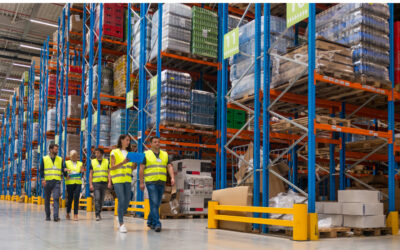
How Technology is Revolutionizing the Freight Forwarding Process
In today’s fast-paced global economy, the freight forwarding industry plays a crucial role in the movement of goods. As international trade continues to expand, the need for efficient and reliable logistics solutions has never been more important. Technology is at the forefront of this transformation, reshaping how freight forwarders operate and deliver services. In this blog post, we will explore how technology is revolutionizing the freight forwarding process and what it means for businesses and consumers alike.
Understanding Freight Forwarding
Freight forwarding is the service of organizing the shipment of goods from one destination to another. This involves coordinating various transportation methods like air, sea, and land, as well as managing documentation, customs clearance, and insurance. Freight forwarders act as intermediaries between shippers and carriers, ensuring that products reach their destination safely and efficiently.
The Role of Technology in Freight Forwarding
As the logistics industry evolves, technology has emerged as a game-changer. Here are some key areas where technology is making a significant impact:
1. Automation of Processes
One of the most significant advancements in freight forwarding is the automation of routine tasks. By utilizing software solutions, freight forwarders can automate processes such as booking shipments, generating invoices, and tracking shipments. This not only reduces human error but also saves time and resources. Automation tools enable companies to focus on more strategic activities rather than getting bogged down in administrative tasks.
2. Real-Time Tracking and Visibility
Customers today demand transparency in the shipping process. Technology has made it possible for freight forwarders to provide real-time tracking updates to their clients. With GPS and RFID technologies, shippers can monitor the location of their goods at any point in the supply chain. This level of visibility helps businesses anticipate delays and manage expectations, ultimately leading to improved customer satisfaction.
3. Cloud-Based Solutions
Cloud computing has transformed how businesses store and manage data. Freight forwarding companies are increasingly adopting cloud-based platforms to centralize their operations. These solutions offer scalable storage options and enable teams to access information from anywhere in the world. Additionally, cloud systems facilitate collaboration among different stakeholders in the supply chain, improving communication and efficiency.
4. Data Analytics
The freight forwarding industry generates vast amounts of data daily. Leveraging advanced analytics tools allows companies to gain valuable insights into their operations. By analyzing shipping patterns, costs, and delivery times, freight forwarders can identify inefficiencies and optimize routes. This data-driven approach leads to better decision-making and enhanced profitability.
5. Blockchain Technology
Blockchain technology is making waves across various industries, including logistics. This decentralized ledger system enhances transparency and security in freight forwarding transactions. With blockchain, all parties involved in the shipping process can access a single source of truth regarding shipment details. This reduces the risk of fraud and streamlines the documentation process, making it easier to manage customs clearance.
6. Artificial Intelligence (AI) and Machine Learning
AI and machine learning are transforming freight forwarding by enabling predictive analytics and automation. These technologies can analyze historical shipping data to forecast demand, optimize routes, and improve inventory management. Additionally, chatbots powered by AI enhance customer service by providing instant responses to inquiries, further streamlining operations.
7. E-commerce Integration
The rise of e-commerce has significantly impacted freight forwarding. As online shopping becomes increasingly popular, businesses need reliable logistics solutions to fulfill customer orders promptly. Technology enables seamless integration between e-commerce platforms and freight forwarding services, allowing for real-time order tracking and efficient inventory management.
8. Sustainability Through Technology
Sustainability is a growing concern in the freight forwarding industry. Technology is helping companies adopt greener practices by optimizing routes to reduce fuel consumption and emissions. Additionally, digital platforms facilitate better planning and collaboration among suppliers and carriers, leading to more sustainable supply chain practices.
The Future of Freight Forwarding
As technology continues to advance, the future of freight forwarding looks promising. Companies that embrace these technological innovations will likely gain a competitive edge in the market. Here are some trends to watch for:
1. Increased Use of Drones
Drones are becoming an increasingly viable option for last-mile deliveries. Their ability to bypass traffic and reach remote areas quickly makes them an attractive solution for freight forwarders looking to enhance delivery speed.
2. Enhanced Cybersecurity Measures
With increased reliance on technology comes the need for robust cybersecurity measures. Freight forwarders will need to invest in securing their digital infrastructure to protect sensitive data from cyber threats.
3. Greater Collaboration Through Technology
As technology continues to evolve, we can expect more collaboration among stakeholders in the supply chain. Platforms that connect shippers, carriers, and freight forwarders will streamline operations and foster transparency in logistics.
4. Continuous Innovation
The pace of technological innovation shows no signs of slowing down. Freight forwarders will need to stay current with emerging technologies to remain competitive and meet changing customer demands.
Conclusion
Technology is revolutionizing the freight forwarding process by enhancing efficiency, transparency, and sustainability. As automation, real-time tracking, cloud solutions, data analytics, blockchain technology, AI, e-commerce integration, and other innovations reshape the industry, businesses must adapt to stay ahead. Embracing these advancements will not only improve operational effectiveness but also lead to higher customer satisfaction in an increasingly competitive environment.
By leveraging technology effectively, freight forwarders can navigate the complexities of global trade while delivering exceptional service to their clients. The future of freight forwarding is bright, driven by innovation and a commitment to excellence in logistics management.