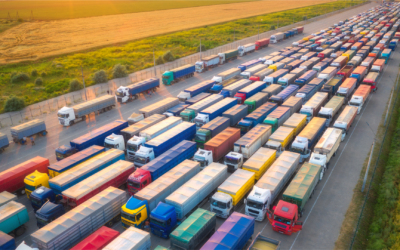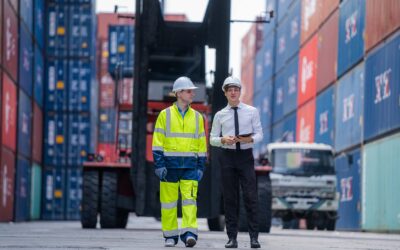
Ever wondered how that gadget from China or coffee from Colombia makes its way to your local store, or even your doorstep? It’s not magic, and it’s certainly not as simple as sticking a stamp on a box. Navigating the complex world of international shipping is where freight forwarding really shines. In a nutshell, freight forwarders are like orchestrators for your goods, making sure they get from point A to point B across oceans and continents, smoothly and legally.
Imagine you’re trying to move a house across the country. You wouldn’t just throw your furniture on a flatbed and hope for the best, would you? You’d hire movers, maybe a moving company. A freight forwarder plays a similar role but on a global scale and with vastly more intricate rules and regulations. They don’t own the ships, planes, or trucks, but they act as an intermediary, using their network and expertise to coordinate the entire shipping process for businesses.
The Logistics Maestro
Think of them as your personal logistics department that you outsource. They book space on vessels, arrange for ground transportation, handle warehousing if needed, and basically ensure every piece of the puzzle fits together perfectly.
Navigating the Paperwork Jungle
This is where things get really dense. International trade involves a mountain of documents: bills of lading, customs declarations, certificates of origin, import/export licenses, and more. A single missed signature or incorrect code can cause significant delays and hefty fines. Freight forwarders are experts at this, making sure all your paperwork is in order and submitted correctly.
Why is Freight Forwarding So Crucial for Businesses?
For any business engaging in international trade, whether importing raw materials or exporting finished goods, a freight forwarder isn’t just a convenience; it’s practically a necessity. Trying to handle all the intricacies yourself can quickly become a full-time job, distracting from your core business.
Cost-Effectiveness and Efficiency
Many might think that adding an intermediary increases costs. However, the opposite is often true. Freight forwarders leverage their relationships with carriers and their volume of shipments to negotiate better rates than individual businesses could achieve on their own.
Minimizing Risks and Delays
The global supply chain is full of potential pitfalls – customs delays, port strikes, inclement weather, even lost shipments. A good freight forwarder has contingency plans and knows how to mitigate these risks, keeping your supply chain flowing.
Expertise in Regulations and Compliance
International shipping is governed by a dizzying array of rules, which vary by country, type of goods, and mode of transport. Staying up-to-date with these ever-changing regulations is a full-time job. Freight forwarders take this burden off your shoulders, ensuring your shipments comply with all relevant laws and avoid costly penalties.
The Global Reach of Freight Forwarding
Without freight forwarders, the globalized world as we know it would struggle to function. They are the silent enablers of international commerce, bridging geographical distances and cultural barriers.
Connecting Continents
Whether it’s air freight for urgent shipments, ocean freight for bulk goods, or land transport for regional distribution, freight forwarders connect every corner of the globe. They choose the most appropriate mode of transport based on cost, speed, and the nature of the cargo.
Facilitating E-commerce
The rise of e-commerce has put even more pressure on efficient global logistics. Small and medium-sized businesses can now easily sell internationally, and freight forwarders are vital in making sure those smaller packages reach their destinations reliably and affordably. They often handle customs clearance for individual parcels, which would be a logistical nightmare for an online seller to manage themselves.
Supporting Diverse Industries
From automotive parts and pharmaceuticals to fashion and perishable goods, every industry relies on timely and secure delivery. Freight forwarders have specialized knowledge for handling different types of cargo, from temperature-controlled goods to hazardous materials, ensuring they are transported safely and in compliance with specific industry regulations. This specialized handling is critical for maintaining product integrity and safety.
Choosing the Right Freight Forwarder: What to Look For
Just like any other service, not all freight forwarders are created equal. Finding the right partner can significantly impact your supply chain’s efficiency and your bottom line.
Reputation and Experience
Look for a forwarder with a long-standing positive reputation and extensive experience in your specific industry or with the types of goods you ship. Longevity usually indicates reliability and a deep understanding of the intricacies of global logistics.
Network and Global Reach
Does their network cover the regions you ship to and from? A forwarder with a strong global network of agents and partners can offer more flexibility and better service, especially when unexpected issues arise in distant locations.
Technology and Communication
In today’s fast-paced world, real-time tracking, transparent communication, and efficient digital platforms are non-negotiable. Choose a forwarder that provides clear updates, has easy-to-use digital tools, and is responsive to your queries.
Specialized Services
If your goods require special handling (e.g., cold chain, oversized cargo, customs brokerage for complex items), ensure the freight forwarder has proven expertise and the necessary certifications for those services. Don’t assume they can handle everything just because they’re a “forwarder.”
Cost Transparency
While cost is always a factor, beware of extremely low quotes that might hide additional fees or compromise service quality. Look for clear, itemized pricing and understand what is included in their service package. A good forwarder will be transparent about potential surcharges or unexpected costs. Knowing the total cost upfront, or at least understanding the breakdown, helps you budget accurately and avoid unpleasant surprises.
The Future of Freight Forwarding
Metrics
Data
Number of Shipments
500
On-time Delivery Rate
95%
Customer Satisfaction Rate
4.5 out of 5
Average Transit Time
3 days
The industry is constantly evolving, driven by technological advancements, geopolitical shifts, and changing consumer demands. Freight forwarders are at the forefront of adopting new approaches to maintain efficiency and reliability.
Digitalization and Automation
From AI-driven route optimization to blockchain for secure documentation, technology is reshaping how freight forwarders operate. This leads to faster processing, fewer errors, and greater transparency for clients. Digital platforms are making it easier for businesses to get quotes, book shipments, and track their cargo in real-time, reducing the manual effort involved.
Sustainability Initiatives
With a growing global focus on environmental impact, freight forwarders are increasingly looking at greener shipping options, optimizing routes to reduce fuel consumption, and exploring multimodal transport to minimize carbon footprints. They can advise businesses on more sustainable shipping practices. This includes advocating for cleaner fuels, optimizing container loading to reduce the number of shipments, and choosing carriers with better environmental records.
Responding to Global Events
Recent events like pandemics, geopolitical conflicts, and natural disasters have highlighted the fragility of global supply chains. Freight forwarders play a critical role in navigating these disruptions, finding alternative routes, and maintaining communication to keep goods moving. Their ability to adapt quickly to unforeseen circumstances is a testament to their value. They often have established relationships with multiple carriers and transport providers, allowing them to pivot quickly when one route or carrier becomes unavailable or too risky.
Data Analytics and Predictive Insights
The vast amount of data generated by global shipping can be analyzed to provide valuable insights. Freight forwarders are starting to use this data to predict potential delays, optimize inventory levels, and offer more proactive solutions to their clients, turning raw data into actionable intelligence. This means they can anticipate problems before they occur, allowing for preemptive adjustments to shipping plans and preventing costly disruptions for their clients. Using historical data and real-time tracking, they can identify bottlenecks, forecast demand fluctuations, and recommend more efficient shipping schedules.
Enhanced Security and Risk Management
With increased threats to global supply chains, from piracy to cyber-attacks on logistics systems, freight forwarders are investing more in robust security measures. This includes improved cargo tracking, enhanced cybersecurity protocols, and sophisticated risk assessment tools to protect valuable shipments. They also help clients navigate various insurance options to cover their goods against potential loss or damage during transit, providing an added layer of peace of mind. This holistic approach to security is indispensable in a world where global risks are constantly evolving.
In essence, freight forwarding is far more than just “shipping stuff.” It’s a highly specialized service that underpins the entire global economy, ensuring that goods move efficiently, legally, and reliably across continents. For any business involved in international trade, partnering with a knowledgeable and reputable freight forwarder isn’t just a smart move; it’s an essential one for success.
Get StartedFAQsWhat is freight forwarding?
Freight forwarding is the coordination and shipment of goods from one place to another via a single or multiple carriers, such as air, ocean, or land freight.
What services do freight forwarders provide?
Freight forwarders provide a range of services including booking cargo space, negotiating freight rates, preparing shipping documentation, tracking shipments, and managing customs clearance.
How do freight forwarders calculate shipping costs?
Freight forwarders calculate shipping costs based on various factors including the weight and dimensions of the cargo, the mode of transportation, the distance to be traveled, and any additional services required.
What are the benefits of using a freight forwarder?
Using a freight forwarder can streamline the shipping process, save time and money, provide access to expertise in international shipping regulations, and offer a single point of contact for all shipping-related activities.
What are the key considerations when choosing a freight forwarder?
When choosing a freight forwarder, it’s important to consider their experience, reputation, network of carriers and agents, ability to handle specific types of cargo, and their customer service and communication capabilities.